
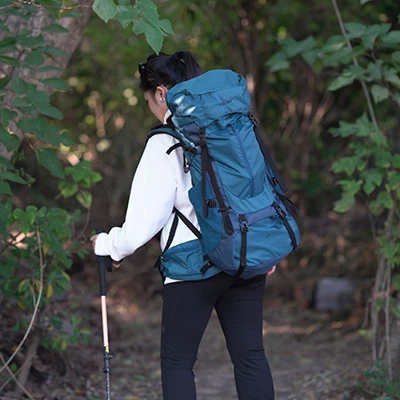
A suitable hiking travel backpack can greatly enhance your hiking experience. Therefore, in addition to considering the weather, clothing, and shoes, choosing the right hiking travel backpack is a crucial step for many hiking enthusiasts. Today, let’s take a look at the current hiking travel backpacks on the market with USLiNT. The article will provide you with a comprehensive understanding of hiking travel backpacks and help you choose one that’s right for you.
Daypacks
Daypacks suitable for hiking are often made of tear-resistant and durable nylon or polyester, making them well suited to challenging outdoor environments. To accommodate common hiking gear such as sunglasses, a change of clothes, and a rain cover, daypacks typically have a capacity of 20 to 35 liters and a relatively simple structure. They typically feature a single compartment or a small number of compartments, and some may also include side water bottle pockets. Therefore, daypacks are ideal for shorter hikes, from half a day to a full day. When customizing a daypack, consider the fabric material, the presence of zippered security pockets, and the number and structure of internal compartments.

Multi-day Backpacks
Multi-day backpacks are also made of high-quality nylon or polyester. In addition to durability, multi-day backpacks also consider size and support. After all, they carry one to four nights’ worth of gear. Therefore, they typically feature a structural internal frame, adjustable shoulder straps, hip belt, and chest strap to evenly distribute the pack’s weight and reduce pressure on the back and waist.

Internal Frame Backpacks
Internal frame backpacks are a great choice for long-distance hiking, rock climbing, and jungle trekking. They fit snugly against the back, while internal lightweight aluminum or plastic poles and adjustable shoulder and hip straps effectively distribute the weight and reduce pressure. However, it’s important to note that while internal frame backpacks often feature a breathable mesh back panel, ventilation is still slightly lower than that of external frame backpacks.
External Frame Backpacks
As the name suggests, external frame backpacks have a visible metal or alloy frame that primarily serves as a load-bearing structure. Typically, the external frame can carry 30-60kg of gear and is relatively stable and resistant to deformation. External frame backpacks feature more external pockets, making them easy to attach tents, sleeping bags, and cooking gear, meeting diverse outdoor needs. However, external frame backpacks are heavier, which may increase your burden. For ventilation, external frame backpacks feature air channels between the back panel and your back, preventing stuffiness.

Ultralight Backpacks
Ultralight backpacks eliminate unnecessary structure, frills, and extra load-bearing components, resulting in a typical weight of 300g to 900g, significantly lighter than traditional hiking backpacks. Ultralight backpacks are designed with lightness in mind, often using ultralight nylon fabric and lightweight foam for the back panel. Constructed with a single compartment and limited external attachments, ultralight backpacks are not suitable for carrying large and complex items. Ideally, the backpack should weigh no more than 10-12kg. If you require a custom ultralight backpack, you can specify the fabric and the number of reinforcements required.

Hydration Backpacks
Hydration backpacks have a smaller capacity, typically 1-3L. They primarily deliver water through a reservoir and a hose with a bite valve, making them ideal for activities like running and cycling. Hydration backpacks typically fit snugly against the back, preventing movement during exercise. The back panel often features a mesh design for enhanced breathability. The chest and waist straps are also often adjustable, making them convenient for people of all body shapes. When choosing a custom hydration backpack, you can customize the liner material, such as whether it’s antibacterial, and the hose routing.

Women’s Hiking Backpacks
Women’s hiking backpacks are often designed specifically for women, such as narrower shoulder width, shorter back length, and waist-to-hip ratio. Therefore, some models feature narrower frames, S-shaped shoulder straps, and lower chest strap anchor points to improve the fit and comfort. To reduce weight, lightweight materials are often used. If you require a custom women’s backpack, consider the material and strap shape to enhance female comfort.

Tactical Backpacks
Tactical backpacks are versatile backpacks suitable for high-intensity outdoor activities. They are often constructed of 500-1000D nylon fabric, with padded shoulder straps, chest straps, and waist belts, along with reinforced webbing to enhance their overall load-bearing capacity. Tactical backpacks typically have a capacity of 20L-60L and feature modular, multi-layered compartments, making it easy to organize and store essential outdoor equipment, such as knives, first aid kits, and loose-fitting items. Tactical backpacks are also less colorful than other backpacks; military camouflage, black, khaki, and olive green are common. It’s important to note that tactical backpacks are also heavier and lack breathability.

Mountaineering Backpacks
To prevent snagging on branches and rocks during hiking, mountaineering backpacks prioritize flexibility. They typically feature a flap and zipper for easy access. They also come with drawstrings and streamlined waist belts. To extend the life of a mountaineering backpack, the sides and bottom are reinforced to effectively protect against damage from rock scrapes. When customizing a mountaineering backpack, consider factors like shoulder thickness and zipper style.

Ski Backpacks
Ski backpacks are generally waterproof, snowproof, and provide gear retention. In addition to waterproof and snowproof fabrics, accessories like buckles and zippers should also be waterproof. To better accommodate skis, poles, ice axes, snow shovels, and other tools, ski backpacks typically feature mountings and avalanche tool holders for easy access.

Waterproof Hiking Backpacks
Waterproof hiking backpacks are often made of waterproof materials, such as TPU or PVC-coated materials. They feature welded seams and roll-top closures to effectively minimize water ingress. To maintain the backpack’s shape, they feature an internal support frame. The shoulder straps, sternum strap, and hip belt are often adjustable. Note that waterproof hiking backpacks often have limited internal pockets, so it’s best to organize your belongings in small organizers before placing them inside the backpack.

Camera Hiking Backpacks
Camera hiking backpacks are often made of water-repellent nylon or polyester, some with rain covers or full waterproof coatings, effectively protecting the equipment inside. To better protect the camera, backpacks typically feature foam lining and adjustable dividers to protect the lens and camera body. For tools like tripods, backpacks often have external straps. Furthermore, cameras and lenses are heavy, so backpacks often feature adjustable shoulder straps, waist straps, and chest straps to help reduce the weight. If you’re looking for a custom backpack, consider the material, compartment layout, and waterproof zippers.

Trail Running Backpacks
Trail running backpacks prioritize lightweight design, often made from materials like ultralight nylon and mesh. Some backpacks have side and front pockets for water bottles, making it easy to rehydrate during a trail run. To enhance nighttime running, some backpacks also include reflective strips or whistles. However, it’s important to note that trail running backpacks can’t hold a lot of items and are not suitable for multi-day hikes. When customizing a trail running backpack, consider the material, reflective strips, color, and branding.

The above are common hiking backpack styles and some aspects to consider when requesting OEM customization. Whether choosing a daypack, multi-day backpack, internal frame, external frame, or tactical pack, only the one that meets your needs can enhance your hiking experience. Therefore, for a more personalized experience, USLiNT recommends choosing an OEM hiking backpack. Send us your requirements and we’ll provide you with a tailored solution, including design, MOQ, sample service, and pricing. Contact us now!