
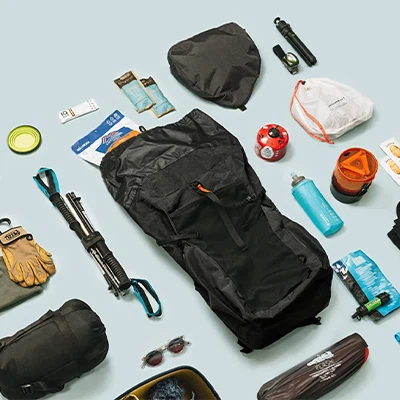
A day hike might not require much to carry; typically, you’ll only need water, food, a change of clothes, and sunscreen. Therefore, packing for a day hike doesn’t require a lot of skill; simply organize and organize your belongings for easy access. However, for longer hikes involving overnight stays, the amount of luggage you need to carry is significantly greater than for a day hike, and it’s important to pay attention to packing techniques to minimize your burden.
If you’re planning a long hike soon, don’t miss this article! USLiNT ASIA will teach you how to pack the outdoor hiking backpack like a pro and enhance your hiking experience.
Preparing Your Packing Items
While it’s best to travel light, hiking requires a more detailed and essential packing list to ensure your safety and well-being. Based on USLiNT ASIA’s experience, we can categorize these items into four groups: lightweight luggage, heavyweight luggage, medium-weight and bulky luggage, and essential luggage.

Lightweight Luggage
Lightweight bottom luggage typically contains lightweight, but infrequently used, items like sleeping bags, sleeping mats, and extra clothing, as these items are typically needed once you’ve secured a resting place.
Heavyweight Luggage
Heavyweight luggage typically includes a tent and extra water. Note that tent poles don’t need to be stored inside the pack; they’re typically hung from the outside of the backpack.
Medium-Weight and Large Luggage
Medium-Weight and Large Luggage include items like cooking utensils, canned food, hiking boots, and a water filter.
Essential Luggage
Essential luggage includes items you might need frequently, such as a raincoat, compass, map, snacks, or a first aid kit.
Preparing the Right Outdoor Hiking Backpack
Once you’ve determined your desired luggage, you’ll need a appropriate outdoor hiking backpack to ensure you can pack everything you need.

Capacity
Generally speaking, a outdoor hiking backpack between 40L and 70L will meet most needs. If you’re unsure of the required capacity, try packing a cardboard box or suitcase of known capacity to determine your approximate capacity before purchasing a outdoor hiking backpack.
Material
In addition to capacity, you also need to consider the material of your outdoor hiking backpack. It’s best to choose a waterproof material for the outdoor hiking backpacks, as it will effectively handle unexpected weather changes. If your outdoor hiking backpack isn’t waterproof, it’s best to bring a waterproof bag.
Comfort
For comfort, a outdoor hiking backpack should fit your back perfectly and have adjustable shoulder straps, hip belt, and chest strap. This ensures the outdoor hiking backpack is stable and doesn’t wobble after adjustment, improving stability.
How to Pack Properly?
Once you’ve gathered everything, pack it in order. This will maximize the limited space in your backpack and ensure items are organized and easily accessible.
We’ve already organized your items into categories. Simply pack them into the bottom, middle, and top layers of your outdoor hiking backpack, as well as the side pockets.

Bottom Layer
Putting light luggage at the bottom of your outdoor hiking backpack will effectively fill in any gaps, provide shape, and create a stable base. It will prevent any subsequent heavy items from swaying, making it easier to carry.
Middle Layer
The middle layer is typically used for heavier luggage, including the heavyweight luggage, medium-Weight and Large Luggage. However, it’s important to note that these two types of luggage should be placed in an inside-outside order. Heavyweight luggage should be placed inside, closer to the back panel. This helps keep the weight more stable and secure.
Medium and large luggage should be placed outside, closer to the front pockets. This will fill up the excess space for heavy items and reduce movement during hiking.
Top Layer
Place bulky essential luggage, such as a first aid kit, raincoat, and toiletries, in the top layer of the main pack for easy access.
Side Pockets
If your outdoor hiking backpack has side pockets, you can store snacks, a compass, a map, and other items there. This not only makes full use of the outdoor hiking backpack’s space, but also allows for convenient access without unzipping.
When packing, if you’re worried about your pack getting disorganized during your hike, consider packing smaller storage bags first, especially for loose items like toiletries, snacks, and outdoor tools. Before packing and setting off, USLiNT ASIA recommends testing your outdoor hiking backpack to ensure that the contents don’t bulge and cause discomfort. Adjust the shoulder straps, hip belt, and chest strap to ensure the outdoor hiking backpack is symmetrical and fits snugly against your back, , which can improve your outdoor hiking experience.